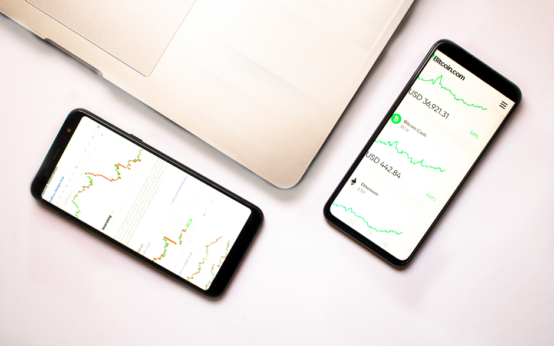


The advertised price is only part of the story. Price-tracking tools show you what an item has actually cost over time, so you can tell a genuine low from a manufactured one and time your purchase wisely.
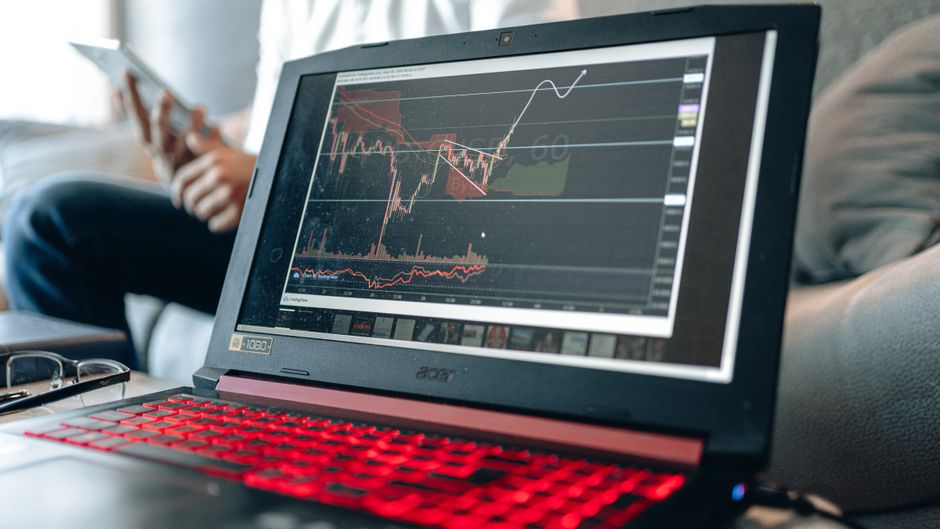
What Price Trackers Do
A price tracker records the price of a product across days, weeks, and months, then displays that history as a chart. Instead of trusting a single moment’s number, you see the full arc, including past sales, regular pricing, and how often the price actually moves. This context is what turns guessing into informed timing.
Most trackers work in one of two ways. Some let you paste a product link and instantly view its price history, while others let you set an alert that pings you when the price drops below a target you choose. Both approaches share the same goal: separating a real bargain from a routine fluctuation.
The value here is not just catching low prices. It is protecting yourself from fake ones. When a store raises a price quietly, then slashes it for a big event back to where it started, a tracker exposes the trick immediately. The chart does not lie the way a sale banner can.
Reading a Price History Chart
A price chart tells a story once you know how to read it. Look first at the typical range, the band the price usually sits within. That range is your baseline for judging whether a current price is genuinely good or merely normal wearing a sale label.
Pay attention to a few key features on any chart:
- The all-time low, which shows the best price ever offered
- The recent low, a more realistic near-term target
- The frequency of drops, revealing whether sales are common or rare
- Sudden spikes right before a big sale, a classic sign of a fake discount
An item that dips regularly is worth waiting on, because another drop is likely coming soon. One that almost never moves may be worth buying at any modest discount, since the deal you see could be the best you will get for months.
Timing Your Purchase
Good timing blends what the chart shows with what you actually need. If a product hovers near its typical high and history shows frequent dips, waiting is the smart play. Set an alert at or slightly above the recent low and let the tool watch the price so you do not have to.
Seasonality also shapes timing. Many categories follow predictable rhythms, with electronics, appliances, and apparel each having strong and weak months. A tracker’s long history reveals these patterns, letting you line up a purchase with the time of year when that category tends to hit its lowest points.
That said, do not let perfect timing become an excuse for endless delay. If the price is already fair by historical standards and you have a real need, waiting for a theoretical few extra dollars off can cost you weeks of use. A good-enough price you act on beats a perfect price you keep chasing.
It also helps to decide your target before emotion enters the picture. When you set an alert, you are naming, in a calm moment, the price at which the item is genuinely worth buying. Then when that number arrives, the decision is already made, and you sidestep the urgency and second-guessing that usually cloud a live sale.
Where Trackers Fall Short
Price tools are powerful but not omniscient, and leaning on them blindly creates its own risks. Their data can lag or miss short flash sales that appear and vanish within hours, so an alert may fire after the window has closed. Treat the history as a strong guide, not a live guarantee.
Trackers also cannot judge whether you need the item at all. A tool that celebrates the lowest price ever recorded is still, in effect, encouraging a purchase. The discipline to ask whether you truly want the thing remains entirely on you; the chart only tells you the price, never the wisdom of buying.
Finally, watch for the subtle pull of alerts themselves. A steady stream of drop notifications can nudge you toward buying things you were only mildly curious about. Set alerts only for items you have genuinely decided you want, so the tool serves your plan instead of quietly writing a new one.
Building Trackers Into a Smart Routine
The best way to use these tools is to make them part of a calm, deliberate process rather than a frantic hunt. When something catches your eye, resist buying on the spot. Instead, check its history, set an alert if the price seems high, and move on with your day.
This approach flips the usual dynamic. Rather than sales dictating when you spend, your own alerts and needs set the schedule. You buy when a price you predefined as fair actually appears, which means you almost never overpay and rarely feel the sting of watching a price fall right after you checked out.
Over months, this routine quietly saves real money on the purchases you would have made anyway. More importantly, it replaces the anxiety of wondering whether you got a good deal with the quiet confidence of knowing. The chart already told you, and you waited for the number that made sense.
The habit compounds in a subtle way too. As you glance at price histories again and again, you start to internalize what fair pricing looks like across the categories you shop most. Eventually you can judge many offers at a glance, without opening a tool at all, because the patterns have become part of how you see prices.